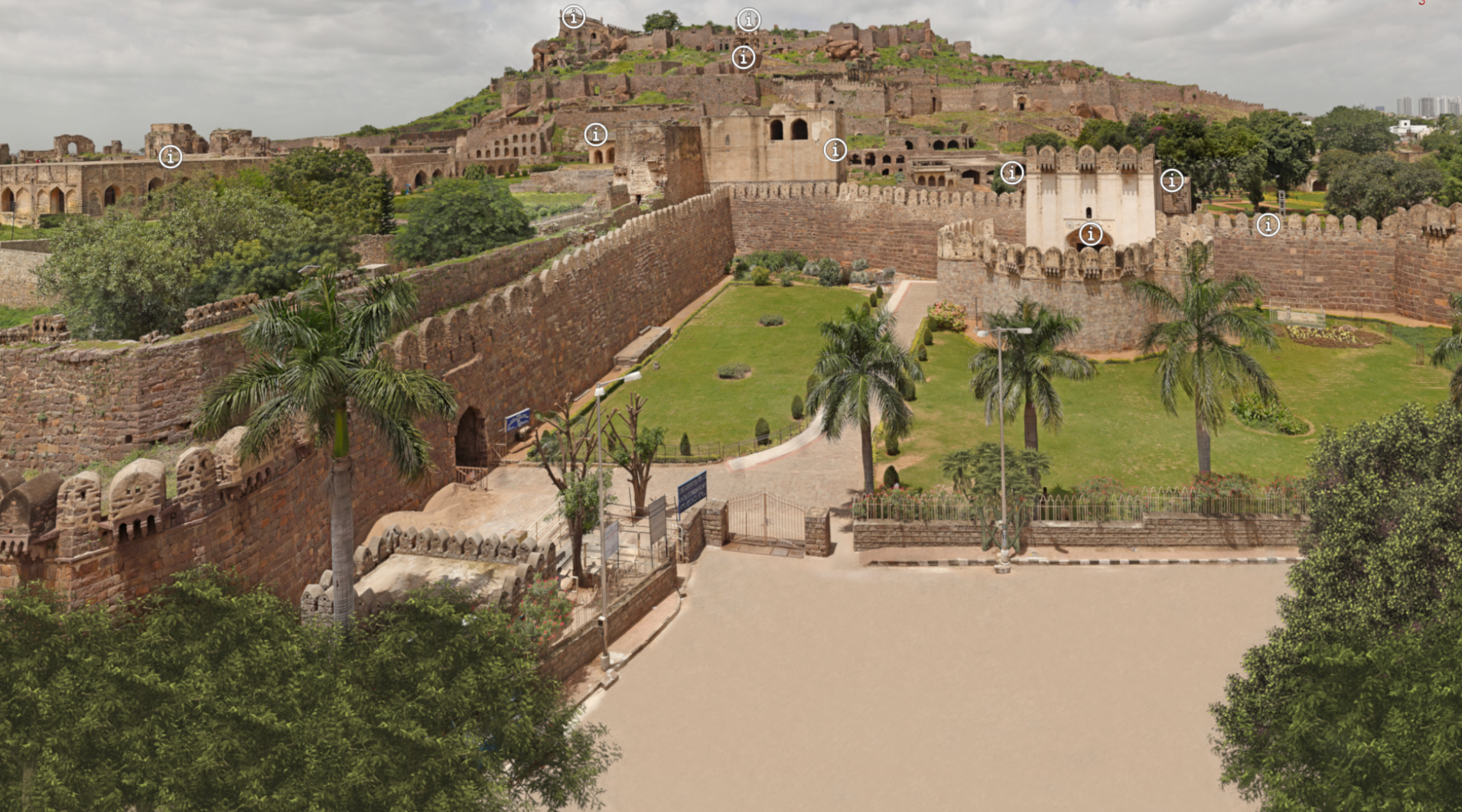
Behind the archive · since 1992
The studio.
Every instrument we point at reality was earned through photography.
The man behind it
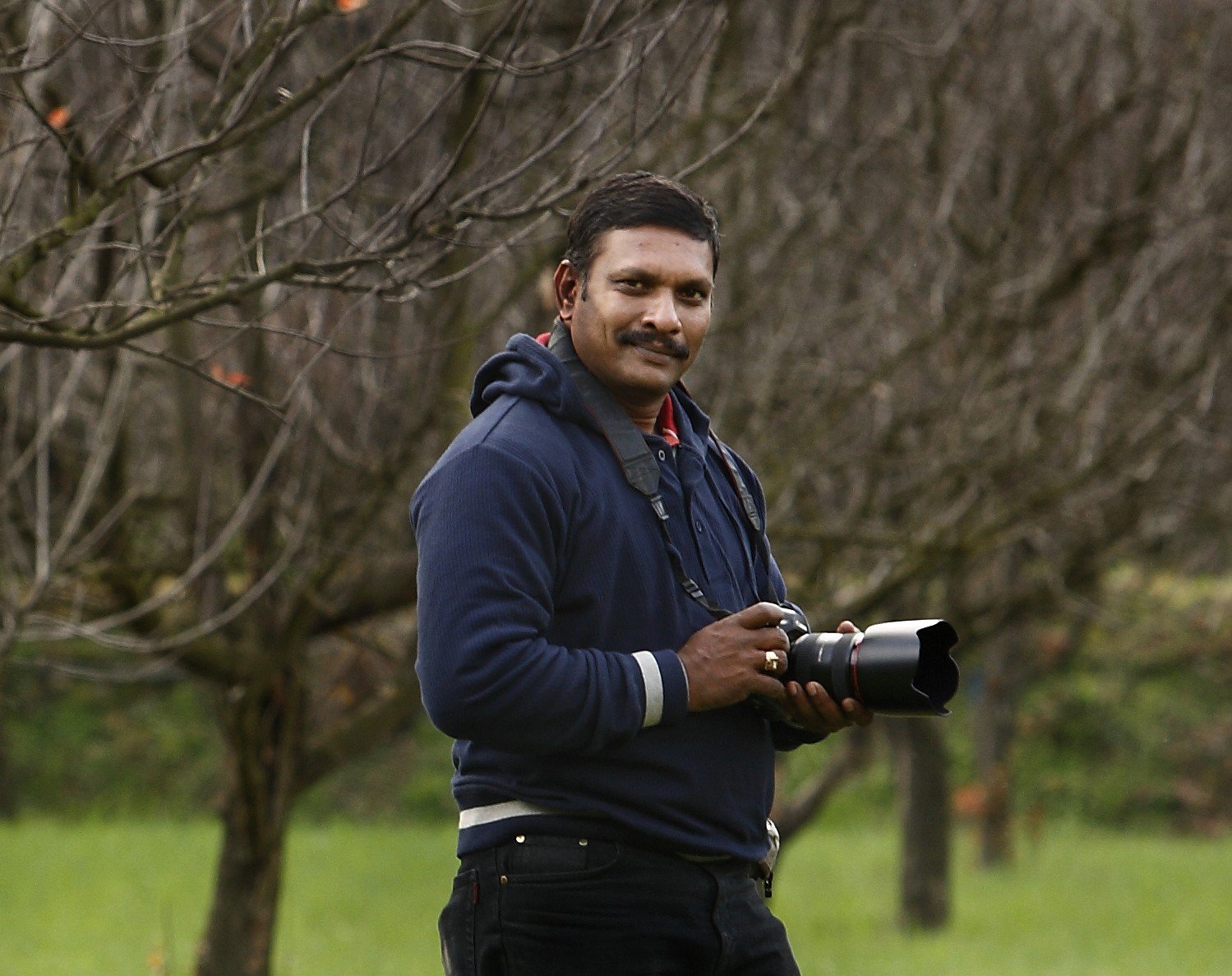

B. Sridhar Raju
Founder · Praxis Studio, est. 1992
B. Sridhar Raju began working as an industrial and advertising photography professional in 1992 — the year he graduated in Photography from JNAFAU, Hyderabad, and the year he established Praxis Studio.
Three decades of commissioned work across industry, healthcare and advertising followed — and, alongside it, a longer devotion: temples, sculptures, fine art and heritage, including 25+ years with Tirumala Tirupati Devasthanams and assignments as far as Angkor, Cambodia.
The discipline never changed — light, lens, patience — but the instruments grew: photogrammetry, 360° capture, gigapixel imaging, reality capture. Each an extension of the same craft into another dimension of record.
Praxivision is where that journey was always heading: a company established to preserve the world's culture and heritage in digital form, for future generations to access.
Mission
To digitally preserve heritage, institutions and significant assets — through advanced imaging, photogrammetry, immersive technologies and preservation-ready digital archives.
Vision
That the knowledge held in monuments, manuscripts, sculptures and collections is never lost to neglect, time or disaster — fragile physical heritage, carried into permanent digital memory.
One craft, four instruments
Photography, translated into every dimension.
013D capture
Photogrammetry is photography before it is geometry. A model is only as accurate as the frames it's built from — so we treat every object as a photographic subject first, and the measurable result follows.
3D in the archives →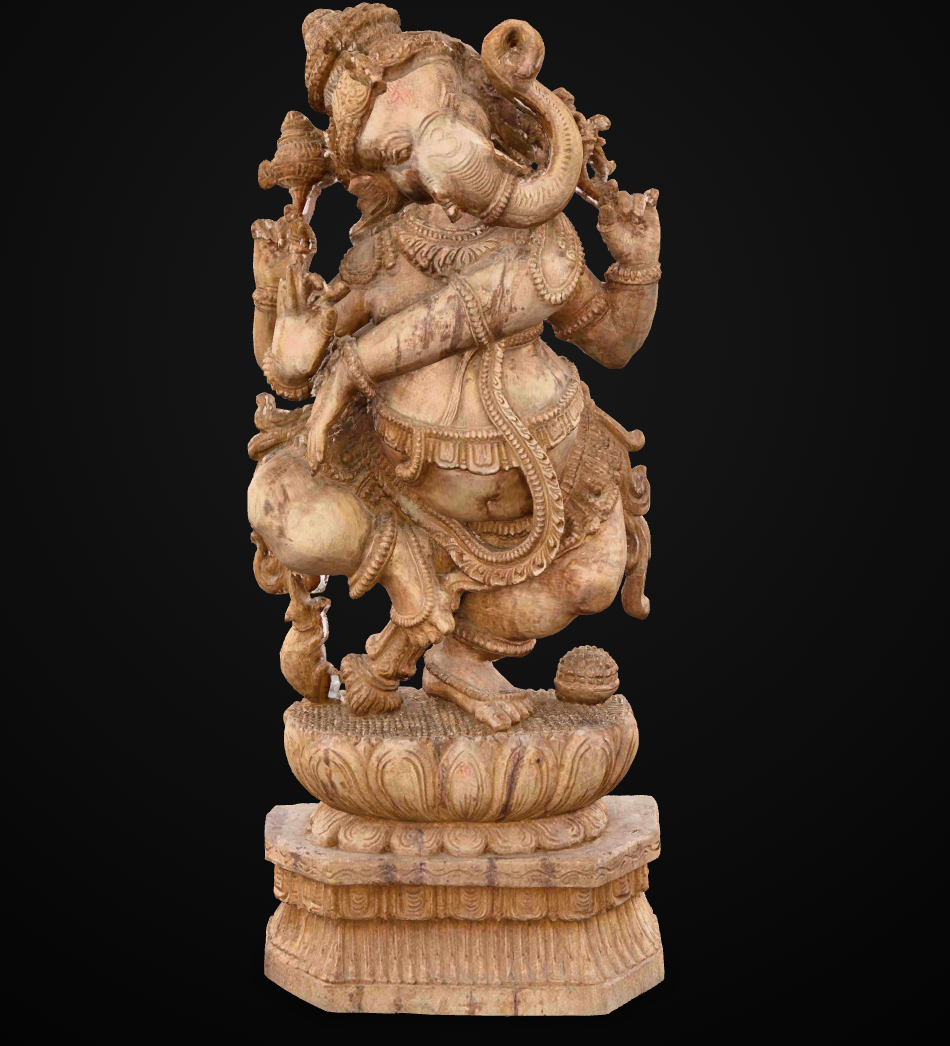
02360° capture
A 360° environment is only as immersive as the frames it's stitched from. Correct exposure, consistent light, and precise panoramic capture are what let dozens of images resolve into one seamless space — the craft behind every node.
360° tours in the archives →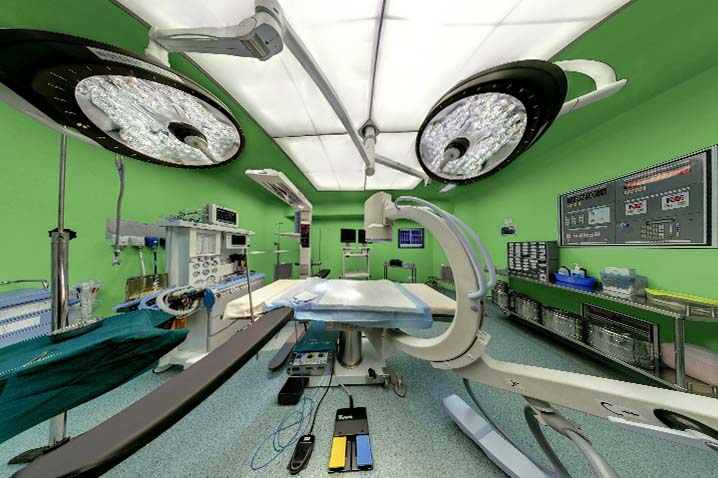
03Gigapixel
Gigapixel imaging holds a painting or artefact in more detail than the eye can take in at once — every brushstroke and crack at archival resolution. It's where fine-art photography meets preservation: a record faithful enough to study long after the original has aged.
Gigapixels in the archives →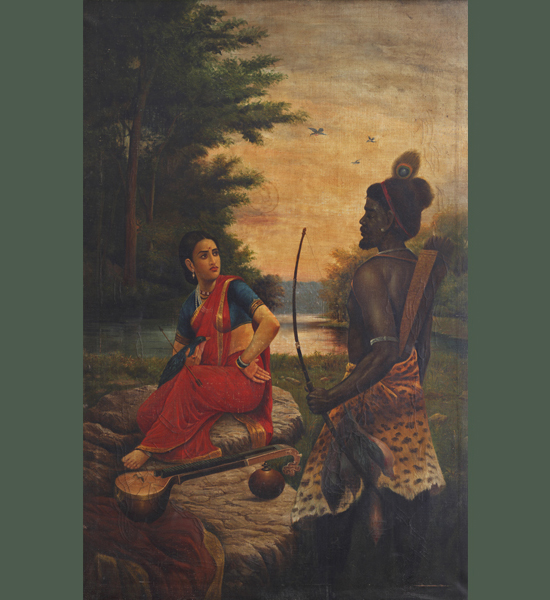
04Reality capture
Reality capture translates a space into accurate spatial data — but that data is only as good as how the space is read and photographed. The technology captures the space; the field discipline is what makes it trustworthy.
Heritage capture in the archives →